Belgrade
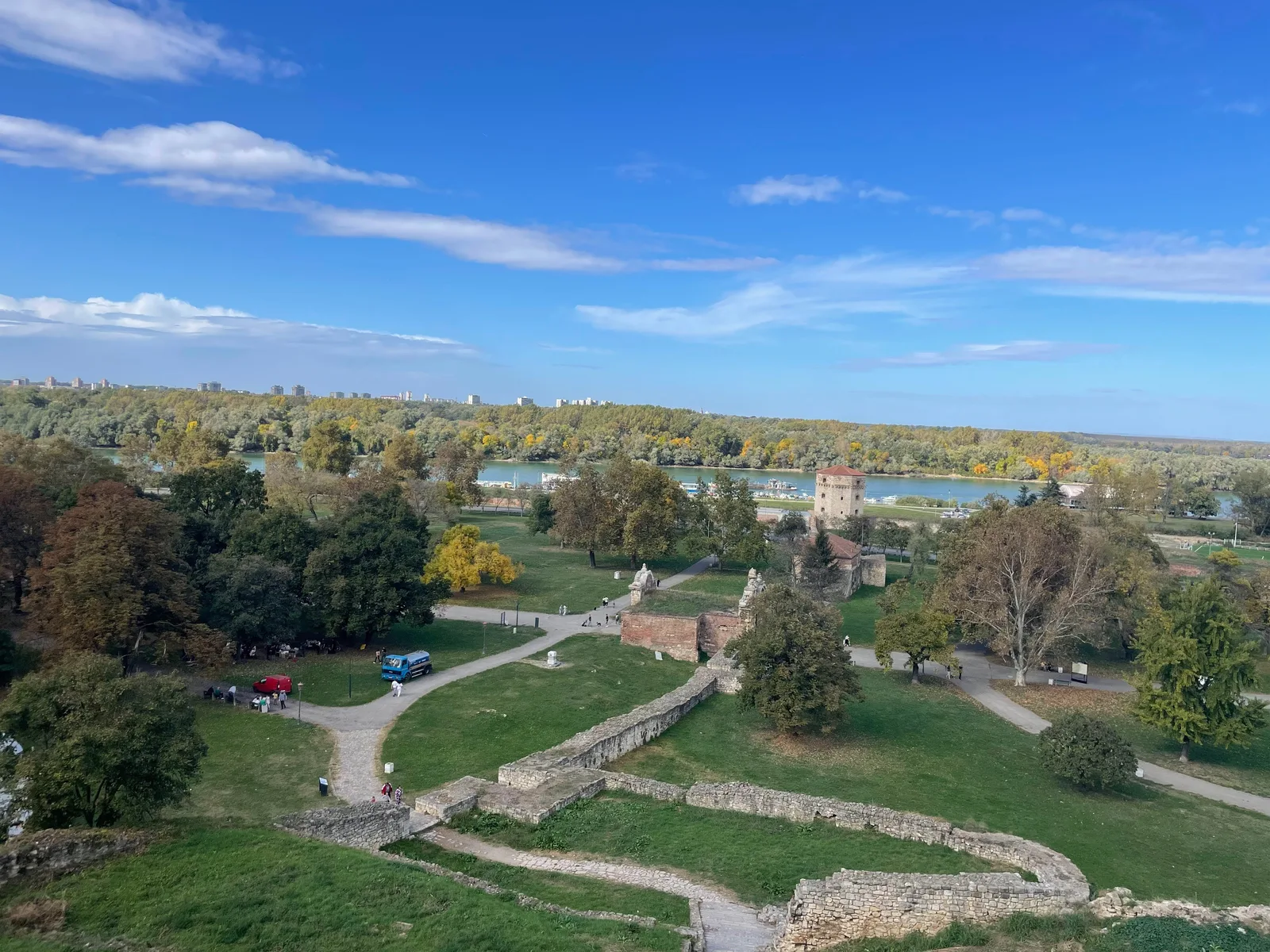
Belgrade is the capital of Serbia and one of the most vibrant cities in Southeast Europe — a city at the confluence of the Sava and Danube rivers, with a thousand-year history, the famous Kalemegdan Fortress, a lively pedestrian zone and nightlife that lasts until dawn.
Belgrade is the capital of Serbia and one of the most dynamic cities in Southeast Europe. Situated at the confluence of the Sava and Danube rivers, the city blends riverfront panoramas, historic neighbourhoods, a vibrant nightlife, traditional kafana culture, parks and a layered urban history shaped by diverse civilisations and eras.
A Walking Tour of the City Centre
The classic Belgrade tour begins at Svetosavski Plato, dominated by the Cathedral of Saint Sava — one of the largest Orthodox churches in the world, built in Byzantine style with a grand central dome 35 metres in diameter. From the cathedral, Svetosavska Street leads to Slavija — a major roundabout. Continuing along Kralja Milana Street we reach Terazije, the symbolic heart of Belgrade. From here we enter Knez Mihailova Street — the pedestrian zone and one of the finest promenades in the Balkans.
At the top of Knez Mihailova Street opens Republic Square — the city's ground zero, framed by the facades of the National Museum and the National Theatre. The walk ends at Kalemegdan Park and its namesake fortress — the city's most captivating attraction. From the highest terrace, above the confluence of the Sava and Danube, stands the famous Victor monument by Ivan Meštrović.
Beyond the Centre
A single day in the centre inevitably leaves out areas well worth a dedicated visit: Zemun, with its Austro-Hungarian architecture and riverside fish restaurants on the Danube; Skadarlija, the bohemian quarter of cobblestone streets and traditional taverns; the museum complexes on Dedinje; and the Sava waterfront with its floating clubs.